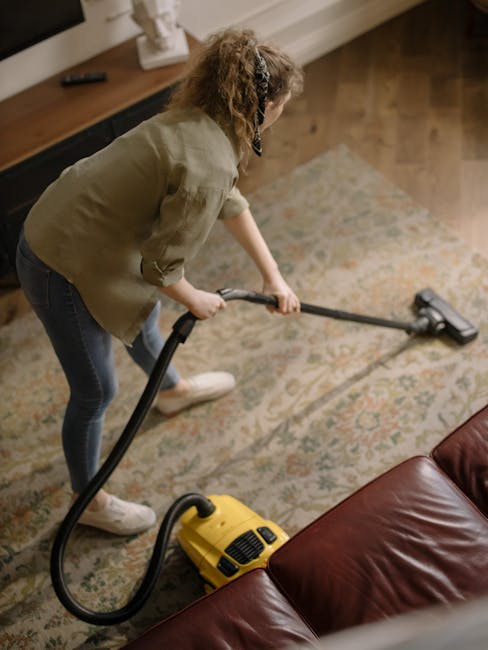
Upholstery cleaning for North Finchley High Road homes: a practical guide for busy households
If you live near North Finchley High Road, you already know the rhythm of the area: busy pavements, family life, takeaway nights, dogs drying off after a walk, and the occasional sofa that has seen one too many cups of tea. Upholstery cleaning for North Finchley High Road homes is not just about making a sofa look nicer. It is about keeping your home fresher, reducing everyday wear, and protecting fabrics that quietly take the brunt of real life. In this guide, we will walk through what professional upholstery cleaning actually involves, when it makes sense, how to judge methods and results, and the small mistakes that can cost you a good armchair. A sensible, no-nonsense read. That's the idea.
Why Upholstery cleaning for North Finchley High Road homes Matters
Upholstered furniture works hard in a way that is easy to miss. Sofas, dining chairs, footstools, ottomans and headboards collect body oils, crumbs, dust, pet hair, pollen, and the sort of everyday grime that builds up gradually. You do not usually notice it day by day. Then one afternoon the light hits the fabric and, well, it tells the truth.
Homes near North Finchley High Road tend to see a lot of daily use. Many are busy family homes, shared houses, flats above shops, or properties where guests come and go regularly. That means upholstery can get flattened, marked, and dulled much faster than people expect. A good clean restores not just appearance but also the feel of the room. Softer fibres, fewer odours, and a fresher atmosphere make a real difference.
There is also the practical side. Once a stain settles into fabric or a spill migrates into the padding, the job gets harder and sometimes more expensive. Regular cleaning helps protect the upholstery before the problem becomes permanent. To be fair, this is one of those home tasks people often delay because the sofa still "looks fine". Then six months later, it really doesn't.
If you are considering a wider home refresh, it can also make sense to coordinate upholstery care with other domestic services. Some households look at regular home cleaning in Finchley N2 at the same time, especially when they want the whole property to feel properly reset rather than just surface-cleaned.
How Upholstery cleaning for North Finchley High Road homes Works
Good upholstery cleaning is not just a matter of spraying something on and hoping for the best. The process should be matched to the fabric, the level of soiling, and the furniture construction. Different materials react differently, and that is where experience matters.
In most cases, a proper upholstery clean follows a careful sequence:
- Inspection and fibre identification. The cleaner checks the fabric type, colour stability, wear, and any visible stains or weak seams.
- Dry soil removal. Vacuuming lifts loose dust, grit, pet hair, and crumbs before liquid treatment begins.
- Spot testing. A discreet area is tested to reduce the risk of colour bleed or fibre damage. This is a small step, but an important one.
- Pre-treatment. Stains and heavy traffic areas may be treated with a suitable solution to loosen soils.
- Deep cleaning. Depending on the fabric, this may involve hot water extraction, low-moisture cleaning, dry compound methods, or specialist hand cleaning.
- Rinse or residue removal. The aim is to remove as much soil and cleaning agent as possible without over-wetting the material.
- Drying and finishing. Airflow, grooming, and careful drying help the upholstery return to shape and reduce marks.
The method matters. A robust woven sofa may tolerate one approach, while velvet, linen, chenille, or a delicate blended fabric may need a gentler one. If you have ever felt a cushion stay damp for too long after an amateur attempt, you already know why this matters. Moisture left inside upholstery can create odours, a sluggish drying time, or even a musty smell. Nobody wants that on a Tuesday morning.
For some homes, the most sensible starting point is to review the wider range of support available through the services overview and then decide what level of cleaning fits the furniture, the fabric, and the household routine.
Key Benefits and Practical Advantages
There is more to upholstery cleaning than aesthetics, although a cleaner sofa does help the whole room feel better instantly. The biggest gains tend to be practical.
- Improved appearance. Stains fade, colours look less tired, and the fabric regains a fresher finish.
- Better indoor freshness. Upholstery can hold onto cooking smells, pet odours, and general household traffic.
- Longer furniture life. Removing embedded grit and residue reduces abrasion and helps fibres last longer.
- More comfortable living spaces. Clean upholstery feels better to use, especially on family sofas and armchairs used every day.
- Better for allergy management. While cleaning is not a medical treatment, reducing dust and debris can help create a less irritating environment for some households.
- Better presentation for guests or letting. If you are preparing a home for sale, rent, or visitors, upholstery often makes a bigger first impression than people realise.
There is also a subtle psychological benefit. A clean sofa and fresh chairs make a room feel looked after. That has value in itself. You sit down, breathe out, and the whole place feels a bit calmer. Simple, really.
For households comparing broader upkeep options, reading about house cleaning in Finchley can help you decide whether to bundle services or keep upholstery cleaning as a separate, targeted job.
Who This Is For and When It Makes Sense
This service suits a lot more people than just those with an obvious stain. In our experience, the people who benefit most are often the ones who wait too long because the furniture still appears "all right".
It is especially useful for:
- families with children who snack, spill, and leave sticky fingerprints on cushions
- pet owners dealing with hair, muddy paws, or the occasional accident
- renters and landlords wanting a property to present well between tenancies
- homeowners preparing for guests, events, or photo listings
- people with older upholstery they want to preserve rather than replace
- anyone noticing lingering odours or flattened, dull-looking fabric
Timing matters. If you have just noticed a spill, act early. If the upholstery is lightly soiled but not visibly stained, that can actually be a good moment to clean because the fibres are easier to restore. If the fabric is already delicate or heavily worn, a professional assessment becomes more valuable. Better to be cautious than overdo it.
There is a local angle too. North Finchley High Road homes often sit close to busy footfall, transport routes, and active household routines. Dust and fine grit creep in. It happens. If you are living in a well-used urban home, upholstery maintenance should sit on the same list as carpets and curtains, not somewhere at the bottom under "one day maybe".
Step-by-Step Guidance
If you want to understand what a proper clean should look like, here is the practical sequence most experienced cleaners follow. It helps you spot whether the job is being done carefully or rushed.
- Identify the fabric. Check the care label where possible. If there is no label, the cleaner should assess the fibre by sight, touch, and testing. This is not guesswork.
- Vacuum thoroughly. The first pass should remove dry debris from seams, creases, under cushions, and piping.
- Check for stains and weak points. Marked areas, worn arms, and sun-faded panels need special attention.
- Test the cleaning solution. A hidden patch should be checked before any broader treatment begins.
- Pre-treat problem areas. Sticky residues, food stains, and dull traffic marks often need a little dwell time.
- Apply the main cleaning method. The chosen process should suit the fabric and drying conditions in the home.
- Extract or remove moisture. Effective cleaning is as much about removal as application.
- Shape and dry the upholstery. Cushion grooming and airflow prevent a flattened finish and reduce drying time.
- Review the result. A good cleaner should look back over the work, not just pack up and vanish.
If you are cleaning at home yourself, do not rush the drying stage. That is where many good intentions go sideways. A sofa can look clean and still feel damp deep inside. Give it time, and if possible, encourage airflow with windows open or gentle ventilation. Not blasting heat. Just steady drying.
Expert Tips for Better Results
Small details make the difference between a decent clean and a really good one. These are the habits that tend to pay off.
- Deal with spills quickly. Blot, do not rub. Rubbing pushes liquid deeper and can rough up the pile.
- Use the right amount of moisture. More water is not better. It is often worse.
- Work with the fabric, not against it. Velvet, suede-effect materials, and textured weaves each need a different touch.
- Keep up with vacuuming. Dry soil acts like fine sandpaper over time.
- Rotate cushions if possible. This evens out wear and keeps one side from ageing faster than the rest.
- Protect high-contact areas. Armrests and headrests are the usual trouble spots, so they may need more frequent attention.
- Mind the weather and drying conditions. A grey winter afternoon in North London is not the same as a bright breezy day. Drying time changes, and patience helps.
One small practical note: always tell the cleaner about previous treatments, especially if you have used a stain remover before. Mixed chemicals can create unnecessary problems. Not dramatic problems, usually, just annoying ones. Still not worth the risk.
If you have velvet cushions or decorative pieces in the same room, you may also find it useful to read this velvet care guide because delicate fabrics often need a similar level of caution.
Common Mistakes to Avoid
Most upholstery damage comes from a handful of predictable mistakes. The good news? They are avoidable once you know what to watch for.
- Using too much water. This is probably the most common problem. Over-wetting can leave marks or long drying times.
- Skipping a patch test. Some fabrics fade or react badly to cleaning products, even ones that look mild.
- Scrubbing stains aggressively. It spreads the mess, roughs the fibres, and can distort the nap.
- Using random household products. Bleach, strong degreasers, and multipurpose sprays are risky on upholstery.
- Cleaning only the stain and not the surrounding area. This can leave a ring or patchy finish.
- Putting cushions back before they are dry. That is how odours and compression marks linger.
- Ignoring the manufacturer's guidance. If the care label says solvent clean only, don't ignore it because the sofa "looks sturdy enough".
There is another common one, too: expecting every mark to disappear perfectly. Real furniture has history. A skilled cleaner can improve it a great deal, sometimes dramatically, but not every stain will vanish completely. Honest expectations save disappointment. And frankly, they are part of good service.
Tools, Resources and Recommendations
Choosing the right approach is easier when you understand the basic tools and what they do. You do not need to become a textile engineer. Just enough knowledge to make a decent decision.
| Method | Best for | Strengths | Watch-outs |
|---|---|---|---|
| Hot water extraction | Durable synthetic upholstery, some blended fabrics | Strong soil removal, deep refresh | Longer drying time, not ideal for delicate materials |
| Low-moisture cleaning | Everyday upholstery with moderate soil | Faster drying, less saturation | May need careful pre-treatment for heavy stains |
| Dry compound or dry-based methods | Delicate or moisture-sensitive fabrics | Very low water use, reduced drying risk | May be less suited to deep embedded grime |
| Hand-cleaning / specialist treatment | Velvet, antique pieces, ornate fabric furniture | Gentle, highly controlled | Takes skill and time, results depend on fabric condition |
As a homeowner, your best "resource" is actually the care label on the furniture, followed by a sensible, experienced cleaner who asks questions before starting. If you are comparing service options for a full property refresh, the pricing and quotes page is useful for understanding how jobs are usually scoped, especially when upholstery is one part of a larger clean.
If you are thinking about wider household maintenance, the domestic cleaning Finchley page can also help you think about how upholstery fits into a regular schedule instead of being treated like a once-a-decade emergency.
Law, Compliance, Standards, or Best Practice
For upholstery cleaning, the main thing is not a long legal checklist but careful, responsible practice. In the UK, consumers generally expect service providers to work safely, describe services clearly, and use reasonable care with property. That is the baseline. Nothing flashy. Just proper workmanship.
Best practice usually includes:
- checking the fabric type before selecting a method
- testing products discreetly first
- working with suitable ventilation and drying practices
- using equipment and chemicals responsibly
- being honest about what stains can and cannot be removed
- taking care around delicate trims, nails, buttons, and decorative stitching
If you are hiring someone into your home, it is fair to ask about safety, insurance, and how they approach risk. It is not being difficult. It is sensible. A trustworthy provider should be comfortable discussing how they work and what precautions they take. You should feel able to ask basic questions without the whole thing turning awkward.
For peace of mind, you can also review the company's insurance and safety information, especially if you are arranging upholstery cleaning alongside other household work. Clear terms matter too, so it is wise to know the terms and conditions before any appointment is confirmed.
Options, Methods, or Comparison Table
Not every upholstered item needs the same approach. Here is a straightforward comparison to help you decide what is likely to fit your situation.
| Situation | Most suitable approach | Why |
|---|---|---|
| General family sofa with everyday soil | Low-moisture or hot water extraction, depending on fabric | Balancing cleaning power with practical drying time |
| Delicate armchair or velvet accent piece | Specialist hand-cleaning or dry-based method | Reduces risk of colour change or distortion |
| Pet accidents or strong odour | Targeted pre-treatment plus deeper clean | Odours often sit below the surface, not just on it |
| Rental property turnover | Fast-drying method with visible refresh | Useful where time between lets is tight |
| Older furniture in decent condition | Careful assessment and gentle cleaning | Preserves the fabric while improving appearance |
Sometimes the choice is not between "good" and "bad" methods. It is between "safe and suitable" and "wrong for that fabric". That sounds obvious, but in real homes, obvious gets skipped all the time.
If your sofa has turned into the family landing zone, and the dining chairs are looking a bit tired around the edges, pairing upholstery work with carpet cleaning in Finchley can create a much more complete result in one go.
Case Study or Real-World Example
Picture a typical North Finchley High Road family home on a Friday evening. Two adults, one child, a dog that thinks the sofa is part of the family, and a cream-coloured corner unit that has somehow survived the week. There is a faint food mark on one cushion, a dark patch on the arm where everyone rests their hand, and that general "lived-in" look that appears slowly over months.
The homeowners do not want a dramatic overhaul. They just want the room to feel clean again before guests arrive on Sunday. A proper upholstery clean starts with a fabric check, because that cream sofa is not just cream. It is a mixed weave with a soft pile, which means a heavy soak would be a mistake. The cleaner vacuums carefully, pre-treats the armrest and seat edge, and uses a low-moisture method with controlled agitation. The dog hair lifts out better than expected. One stubborn spill mark improves a lot, though not completely. That is normal.
By the next day, the room smells fresher, the cushions sit better, and the fabric looks brighter under the afternoon light. Nothing theatrical. Just a cleaner, more comfortable home. The kind of improvement you notice every time you walk into the room.
That is usually the real value of upholstery cleaning: not perfection, but a calmer, nicer space that feels easier to live in. Simple, but not small.
Practical Checklist
Use this checklist before booking or carrying out upholstery cleaning.
- Check the fabric type or care label if available
- Note any stains, odours, pet issues, or wear marks
- Decide whether the whole item or only selected pieces need cleaning
- Move small objects, throws, and cushions out of the way
- Ask what cleaning method is planned
- Confirm whether a patch test will be done
- Ask about drying time and ventilation needs
- Remove fragile items nearby, just in case
- Make sure the cleaner knows about previous spot treatments
- Keep pets and children clear until the upholstery is dry
Quick practical summary: the safest upholstery clean is the one matched to the fabric, not the one with the most water or the strongest smell. If in doubt, go gentler first. You can always do more later; you cannot un-damage a delicate sofa.
Conclusion
Upholstery cleaning for North Finchley High Road homes is one of those jobs that quietly improves daily life. It protects furniture, freshens the room, and makes a home feel more cared for without changing a single wall or fixture. Whether you are dealing with a tired sofa, a marked dining chair, or a velvet headboard that has lost its glow, the right approach comes down to fabric knowledge, careful testing, and sensible technique.
If you live in a busy household, do not wait for a stain to become a story. A planned clean is usually cheaper, easier, and far less stressful than trying to rescue upholstery after months of build-up. And if you are already lining up other home maintenance, you may find it useful to explore the wider service pages, customer feedback on reviews, or current promotions before you decide what to book. One thoughtful step now can save a lot of bother later.
Get a free quote today and see how much you can save.
And if nothing else, there is something quietly satisfying about sinking into a sofa that feels fresh again. That little moment, just before the kettle boils, is hard to beat.
Frequently Asked Questions
How often should upholstery be cleaned in a North Finchley High Road home?
For most homes, a deeper clean every 12 to 18 months is a sensible starting point, but busy family homes, pet households, and heavily used sofas may need attention sooner. Light maintenance between cleans helps a lot.
Can upholstery cleaning remove old stains completely?
Sometimes, but not always. Fresh stains are usually easier to treat than old ones that have settled into the fibres or padding. A good cleaner should explain what is realistic before starting.
Is steam cleaning safe for all upholstery?
No. Steam or hot water extraction can work well on some durable fabrics, but delicate materials may be damaged by too much moisture or heat. Fabric type should always guide the method.
What should I do before an upholstery cleaner arrives?
Move small items, clear the area around the furniture, and note any stains or issues you want the cleaner to focus on. If you have pet damage or previous spot treatments, mention them upfront.
How long does upholstery take to dry?
Drying time varies by method, fabric, room temperature, and ventilation. Some pieces dry within a few hours, while others can take longer. Good airflow helps, but avoid over-heating the room.
Will upholstery cleaning remove pet smells?
It can help significantly, especially if the odour is in the surface fibres. If the smell has soaked into the padding, a deeper or more targeted treatment may be needed.
Can I clean delicate fabrics like velvet at home?
Careful spot cleaning is possible in some cases, but velvet and similar fabrics are easy to mark if you use too much moisture or scrub them. Specialist advice is often the safer route.
Does upholstery cleaning help with allergies?
It may help create a fresher environment by reducing dust, hair, and debris in the fabric. That said, it is not a medical treatment and results vary from home to home.
Should I clean the sofa or the carpets first?
It depends on the room and the level of soiling, but many people prefer to clean carpets first so dust and debris from floor work do not fall onto freshly cleaned upholstery. In practice, either order can work if the team plans properly.
What is the difference between upholstery cleaning and general house cleaning?
General house cleaning usually covers surfaces, floors, bathrooms, and routine household tasks. Upholstery cleaning is more specialist and focuses on fabric furniture, stains, odours, and fibre care.
Is it worth cleaning older furniture, or should I just replace it?
If the frame is sound and the fabric is still in good condition, cleaning can be a very cost-effective way to extend the life of the furniture. If the upholstery is badly worn, torn, or structurally damaged, replacement may make more sense.
Can I combine upholstery cleaning with other services?
Yes, and many households do. It can make sense to pair upholstery work with broader cleaning, carpet care, or end-of-tenancy prep depending on your needs and timing.
For readers who want to understand local living patterns, property changes, or how homes in the area are used over time, the site's broader Finchley content can also be useful, including local views on living in Finchley, property market trends, and the carpet cleaning guide for Finchley Central and N12 streets.
In the end, the best upholstery care is steady, sensible, and a little bit patient. Do that, and your furniture will usually repay you with years of quieter, easier living.